

CCW Rotation: The Missing Piece Most Looksmaxxers Ignore
Disclaimer
CCW (counterclockwise) rotation is a growth pattern, not an exercise. Genetics, airway, posture, occlusion, muscle function, and dental eruption all contribute to it. Adults can improve function and appearance, but major skeletal rotation usually requires growth modification or orthodontic treatment.Why CCW Rotation Matters
A counterclockwise mandibular pattern is commonly associated with:- Better chin projection.
- Lower mandibular plane angle.
- Shorter lower third.
- Sharper jawline.
- More compact facial proportions.
Temporalis vs Masseter
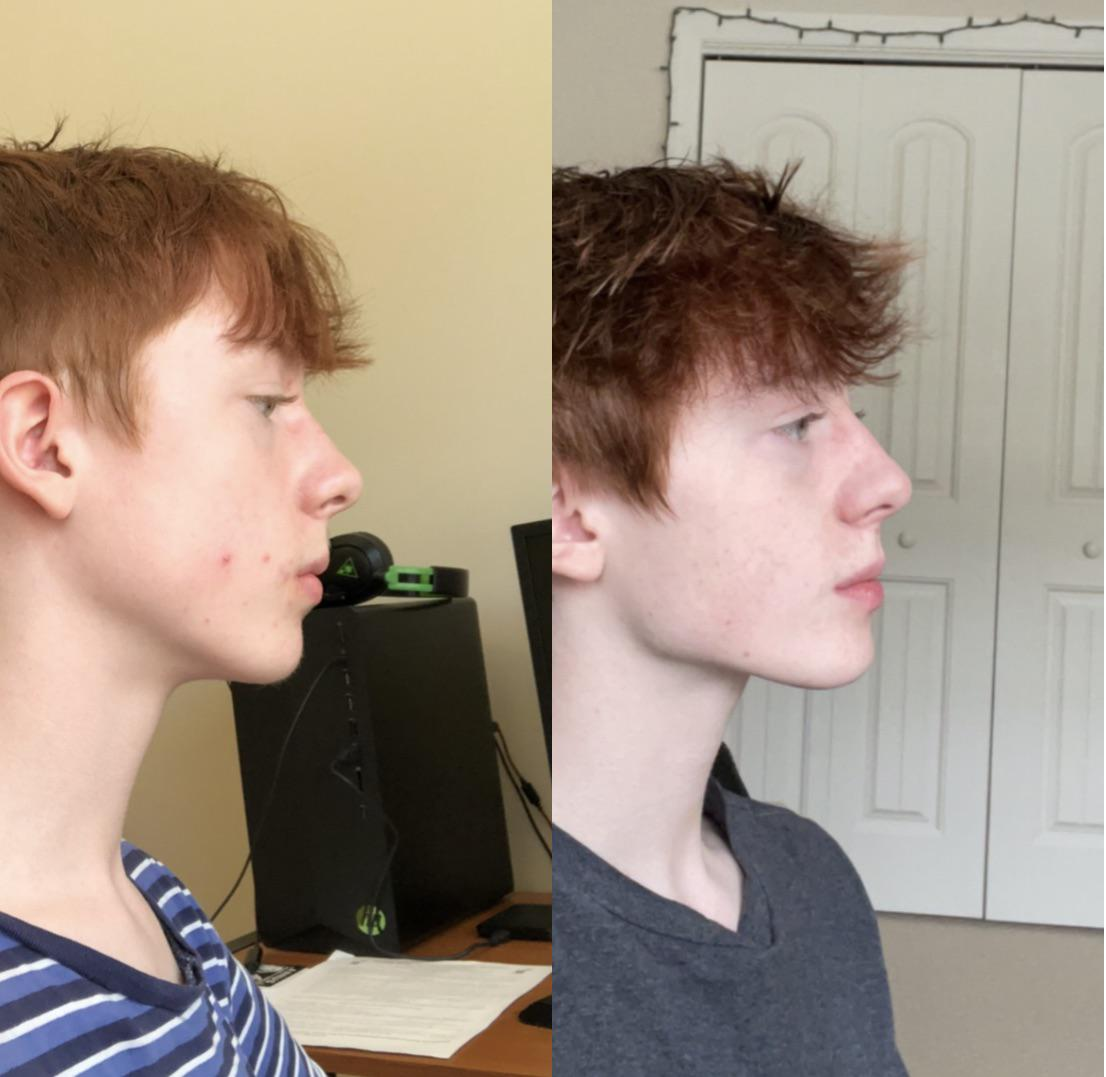
Most people think bigger masseters automatically mean better facial development. The reality is more complicated.The temporalis is heavily involved in stabilizing and guiding the mandible, while the superficial masseter is optimized for producing powerful bite force. EMG studies show temporalis activity becomes more important during controlled jaw positioning, whereas forceful clenching shifts more load toward the masseters.
The goal isn't to "disable" the masseters—they're essential for chewing. The goal is to avoid chronic masseter-dominant clenching, which overloads the TMJ without recreating the biomechanics associated with favorable growth.

Chew Properly
Chew with your molars, not your incisors.- Alternate both sides.
- Use complete chewing cycles.
- Avoid constantly biting with maximum force.
- Don't spend hours chewing extremely hard gum.
Posture Changes Everything
Forward Head Posture changes the relationship between the mandible, tongue, hyoid, and cervical spine.A neutral head position improves mandibular resting posture and often makes the jawline appear stronger immediately. Neck protraction does the opposite—it makes the chin look weaker and encourages poor oral posture.
Read our Posture Guide and Chin Tucks Guide for the full explanation.

Mewing and Tongue Posture
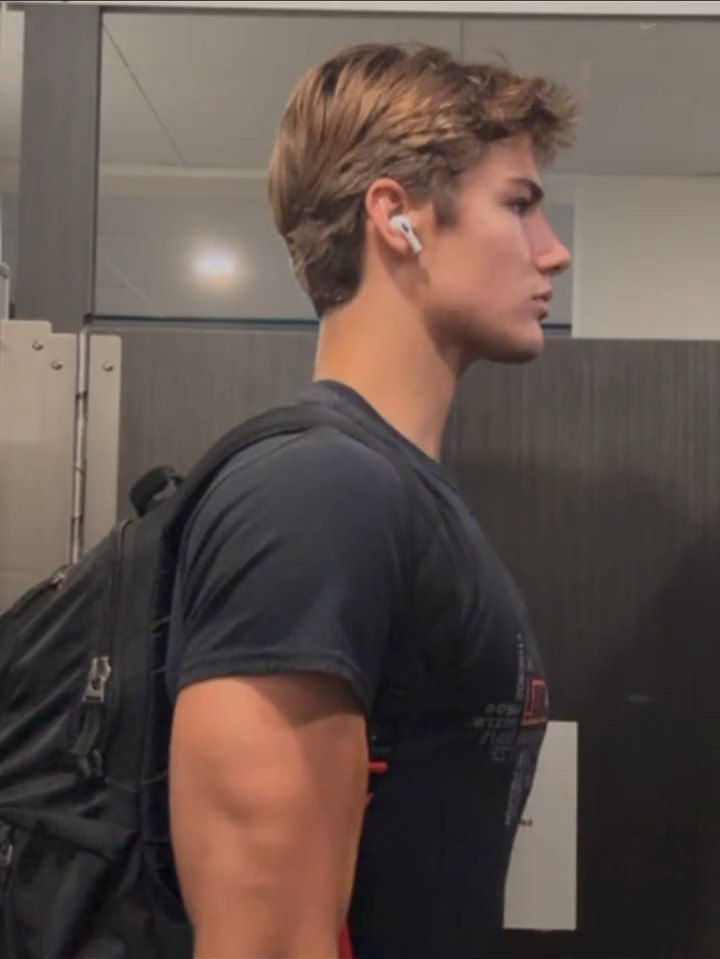
Mewing belongs in this guide because the tongue influences the functional environment surrounding the maxilla, teeth and mandible.At rest, the tongue should contact the palate broadly—not only with the tip. The lips remain gently closed, breathing occurs through the nose when possible, and the jaw stays relaxed rather than clenched.
A low tongue posture is associated with mouth breathing, altered swallowing and certain malocclusions. Tongue-base position has also been correlated with maxillary position and vertical mandibular rotation in growing children.
The proposed CCW mechanism is indirect:
- Palatal tongue posture helps maintain normal oral muscular balance.
- Nasal breathing reduces the need to hold the mouth open.
- A closed-mouth posture limits habitual mandibular depression.
- Better maxillary and posterior dental function may support a less vertical growth environment during development.
Read our full Mewing Guide for tongue placement, swallowing and common mistakes.
Airway Comes First
Many people unconsciously push their head forward to compensate for poor nasal airflow.If you constantly mouth breathe, snore, or wake up with a dry mouth, fixing your airway will likely have a greater impact than trying to force better jaw mechanics.
Daily Habits
- Maintain nasal breathing.
- Keep proper tongue posture (see our Mewing Guide).
- Chew with your molars.
- Avoid daytime clenching.
- Improve posture.
- Strengthen your upper back and deep neck flexors.
- Sleep with neutral neck alignment.
Key Takeaways
- CCW rotation is the product of an entire craniofacial system.
- Balanced temporalis and masseter function is more important than maximizing bite force.
- Chronic clenching overloads the masseters and TMJ.
- Proper molar chewing, posture, nasal breathing, and tongue posture create a healthier functional environment.
- No exercise can reliably create major adult skeletal CCW rotation, but improving these factors can enhance function and facial presentation.
References
- EMG Heterogeneity of the Human Temporalis and Masseter Muscles
- Association Between Facial Growth Pattern and Masticatory Muscle Activity
- Human Mandibular Shape and Masticatory Muscle Function
- Relationship Between Head Posture and Craniofacial Morphology