

Disclaimer
This guide is for educational purposes only. It summarizes current research from orthodontics, craniofacial biology, physical therapy, and airway science. Facial development is influenced by genetics, breathing, tongue posture, muscle function, and body posture—all of which interact throughout growth.Why Posture Matters
Posture is one of the most overlooked factors in looksmaxxing. It affects head position, airway function, muscle balance, and how the face is presented. Good posture allows the head, neck, and jaw to remain in a more balanced position, while poor posture often leads to Forward Head Posture (FHP), altered muscle activity, and compensatory breathing patterns.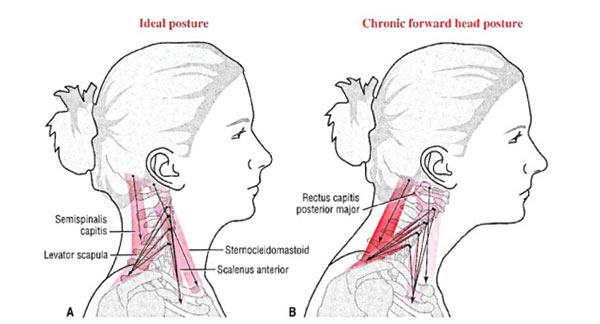
Forward Head Posture (FHP)
Forward Head Posture occurs when the head sits in front of the shoulders instead of being aligned over the spine.Common causes include:
- Long hours using phones or computers.
- Mouth breathing.
- Weak upper back and deep neck muscles.
- Poor sitting habits.
- Lack of physical activity.
How Posture Affects the Face
Body posture influences the entire craniofacial complex through muscle tension and head position.Poor posture is commonly associated with:
- Lower tongue posture.
- Mouth breathing.
- Increased lower facial height.
- A less defined jawline.
- Changes in mandibular resting position.
- Greater strain on the TMJ and cervical muscles.

Airway & Nasal Breathing
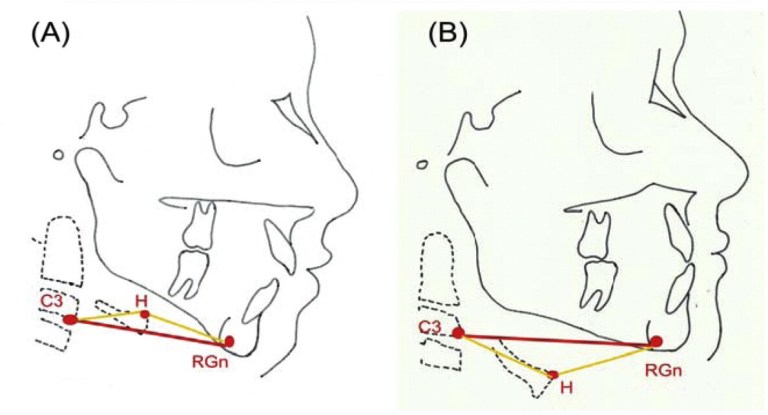
Airway health and posture are closely connected.When nasal breathing is restricted, many people compensate by moving the head forward to increase airway space. This compensatory posture is frequently observed in both orthodontic and airway research.
Nasal breathing also supports proper tongue posture, which contributes to balanced oral function and craniofacial development during growth.
Craniofacial Growth
During childhood and adolescence, bones respond to functional forces generated by muscles, breathing patterns, and oral posture.Research has found associations between:
- Mouth breathing and vertical facial development.
- Airway obstruction and altered head posture.
- Low tongue posture and narrower maxillary arches.
- Forward Head Posture and changes in craniofacial morphology.
Forward Growth vs Vertical Growth
Forward growth generally describes facial development with greater horizontal projection of the jaws.Vertical growth is characterized by increased lower facial height, steeper mandibular angles, and a longer facial appearance.
Orthodontic literature commonly associates healthy nasal breathing, balanced muscle function, and normal oral posture with more favorable craniofacial development during growth.

CCW Rotation
Counterclockwise (CCW) rotation refers to a rotational pattern of the jaws that is commonly associated with stronger chin projection, reduced lower facial height, and improved facial balance.Factors frequently discussed alongside favorable CCW rotation include:
- Good body posture.
- Nasal breathing.
- Proper tongue posture.
- Healthy airway function.
- Balanced craniofacial muscle activity.
How to Correct Your Posture
- Perform chin tucks daily.
- Strengthen the upper back and deep neck flexors.
- Stretch tight chest muscles.
- Keep screens at eye level.
- Maintain nasal breathing.
- Practice proper tongue posture.
- Stay physically active.
- Avoid prolonged slouching.
Daily Routine
- 2–3 sets of chin tucks.
- Thoracic mobility exercises.
- Upper back strengthening.
- Stretch the chest and neck.
- Maintain good posture while walking and sitting.
- Use a properly adjusted workstation.
- Sleep with neutral neck support.
- Breathe through the nose whenever possible.
Scientific Evidence
Current evidence supports strong relationships between posture, airway function, breathing patterns, muscle activity, and craniofacial development.While posture is only one factor influencing facial growth, it is consistently recognized as an important component of overall craniofacial function and cervical biomechanics.
References
- Solow B, Siersbæk-Nielsen S. Cervical and craniofacial posture as predictors of craniofacial growth.
- The Relationship Between Forward Head Posture and Neck Pain: A Systematic Review and Meta-analysis
https://pmc.ncbi.nlm.nih.gov/articles/PMC6942109/ - Treatment of Chronic Neck Pain in Patients with Forward Head Posture: A Systematic Narrative Review
https://pmc.ncbi.nlm.nih.gov/articles/PMC10572307/ - Forward Head Posture – TMD Occlusion
https://tmdocclusion.com/home/total-body-health/body-posture/forward-head-posture/ - PubMed – Craniofacial Growth
https://pubmed.ncbi.nlm.nih.gov/?term=craniofacial+growth - PubMed – Mouth Breathing and Craniofacial Development
https://pubmed.ncbi.nlm.nih.gov/?term=mouth+breathing+craniofacial+development Forward Head Posture, Kyphosis and Lordosis
https://tmdocclusion.com/home/total-body-health/body-posture/forward-head-posture/
Conclusion
Good posture is more than standing straight. It influences head position, breathing, muscle balance, and the function of the craniofacial complex. Combined with nasal breathing, proper tongue posture, and healthy daily habits, maintaining good posture supports both long-term health and facial aesthetics.Thank You
Thank you for reading!We hope this guide was helpful. Explore our other evidence-based guides to learn more about posture, breathing, facial development, and natural looksmaxxing.